
Our instruments are for Human Surgical use only. For Veterinary Instruments, visit GerVetUSA.com. For Human Dental instruments, please visit GerDentUSA.com. (Dismiss)

Shopping Cart

Total $0
We are a team of designers and developers that create high quality HTML Template & Woocommerce, Shopify Themes.

Currency
Language
My Account
Extra
10%
OFF
You have custom surgical sets, you can add more instruments in your sets or create more custom sets, once done you can order after making the required changes, click here to see your sets.

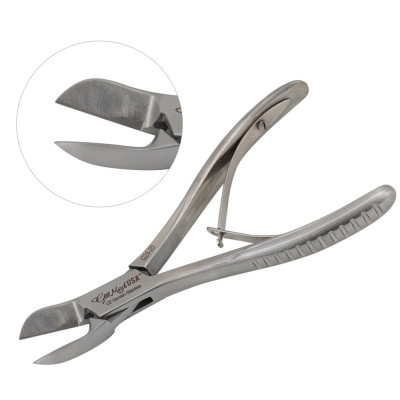
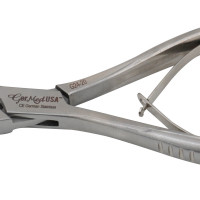
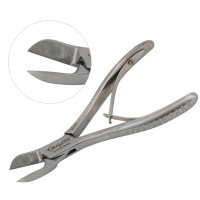
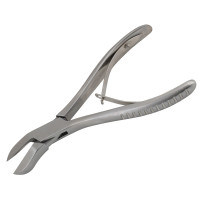
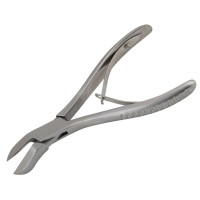
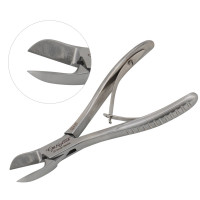
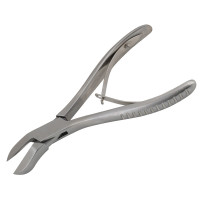
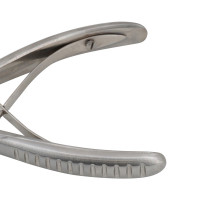
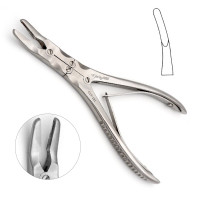
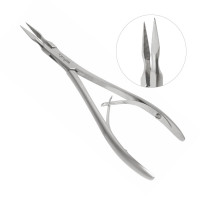
Liston Bone Cutting Forceps Angled

Liston Bone Cutting Forcep Angled 5 1/2"

Liston Bone Cutting Forcep Angled 7 1/2"

Liston Bone Cutting Forcep Angled 8 3/4"

SKU: LBCF-A
Availability: In Stock

Liston Bone Cutting Forceps are used during orthopedic surgeries to cut high-density bones.

SKU: G24-20
Availability: In Stock

The Liston Bone Cutting Forceps are used in surgical procedures that require manipulation or cutting of bone.

SKU: G24-21
Availability: In Stock

The Liston Bone Cutting Forceps are used in surgical procedures that require manipulation or cutting of bone.

SKU: G24-52
Availability: In Stock

The Liston Bone Cutting Forceps are used in surgical procedures that require manipulation or cutting of bone.

Please select the size you want to order


$307.81
$246.25
$378.41
$302.73
$431.02
$344.82

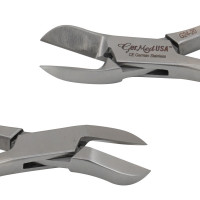
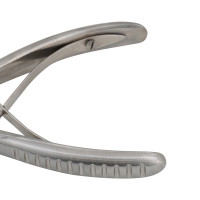
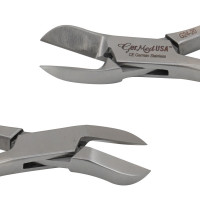
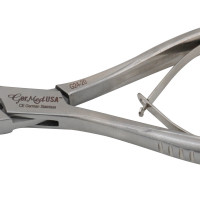
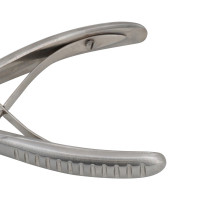
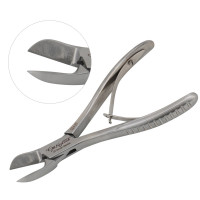
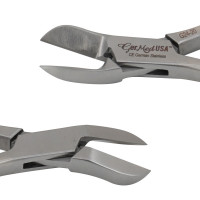
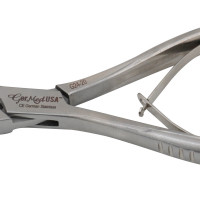
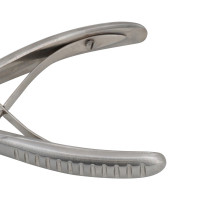
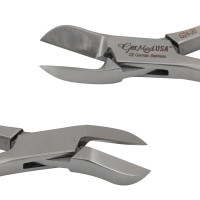
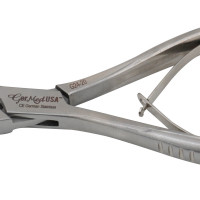
Liston Bone Cutting Forceps are used to cut high-density bones during orthopedic surgeries. These self-centering instruments feature a strong body with double spring handles that allow the surgeon to control their hand movements. They also feature sharp inner jaws that require less pressure to manipulate deeper and thicker bony structures. Their angled tips help ensure the procedure is minimally invasive.
Other features:
•    German stainless steel
•    Sterilizable
•    Corrosion-resistant

Overall instrument length is 5 1/2" and comes in an Angled pattern. These features and variations are well-suited for a wide range of medical approaches. 

Additional Information

Material:Stainless Steel

Overall instrument length is 7 1/2" and comes in an Angled pattern. These features and variations are well-suited for a wide range of medical approaches.

Additional Information

Material:Stainless Steel

Overall instrument length is 8 3/4" and comes in an Angled pattern. These features and variations are well-suited for a wide range of medical approaches.

Additional Information

Material:Stainless Steel

Position the angled jaws precisely around the target bone, ensuring a firm, stable grip before applying steady, controlled pressure to cut cleanly. Always align the cutting edges perpendicular to the bone surface to avoid splintering or uneven cuts. Work in small, deliberate motions and avoid twisting the instrument, as this protects surrounding tissue and maintains cutting accuracy.

The angled design gives surgeons much better visibility and access in deep or narrow surgical sites where straight instruments simply can't reach comfortably. It reduces hand and wrist strain by naturally aligning with the surgeon's grip during awkward-angle cuts. This makes procedures faster, safer, and more precise, especially in confined anatomical spaces.

These forceps can be used by beginners, but only under direct supervision from an experienced surgeon or instructor, as improper technique can damage nearby nerves, vessels, or soft tissue. The angled design requires some practice to control correctly, so hands-on training is essential before independent use. Starting on simulation models or cadaveric specimens is a smart way to build confidence before clinical application.

Rinse immediately after use to remove blood and debris, then clean thoroughly with a surgical detergent. Use ultrasonic cleaning if available, followed by proper drying to prevent corrosion. Sterilize using an autoclave according to hospital protocols to ensure complete disinfection.

They provide better access to facial bones in tight and complex anatomical regions. The angled jaws help surgeons work around teeth, nerves, and soft tissues more safely. This improves precision and reduces the risk of trauma during delicate bone procedures.