
Our instruments are for Human Surgical use only. For Veterinary Instruments, visit GerVetUSA.com. For Human Dental instruments, please visit GerDentUSA.com. (Dismiss)

Shopping Cart

Total $0

We are a team of designers and developers that create high quality HTML Template & Woocommerce, Shopify Themes.

Currency
Language
My Account
Extra
10%
OFF
You have custom surgical sets, you can add more instruments in your sets or create more custom sets, once done you can order after making the required changes, click here to see your sets.

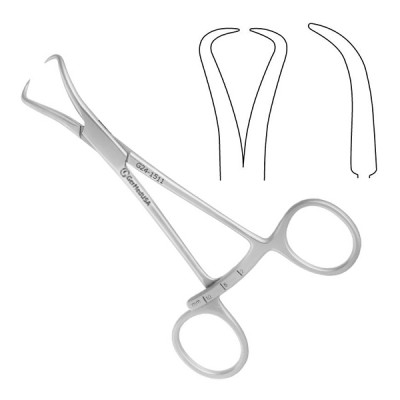
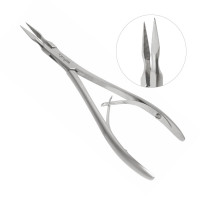
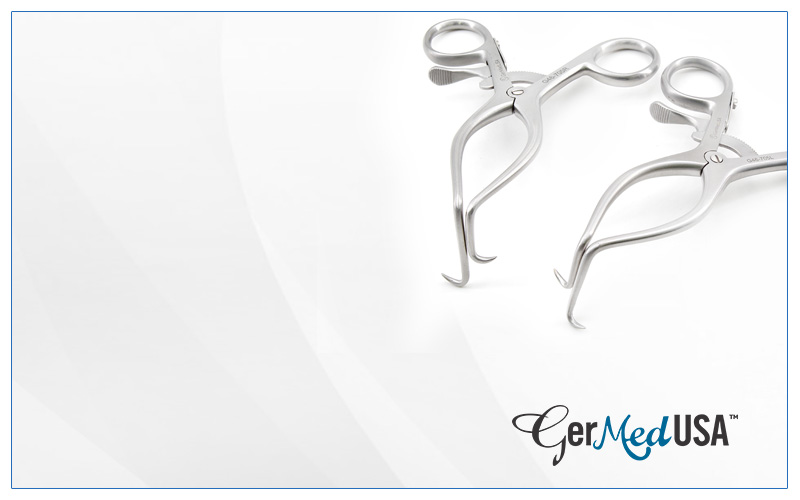
Phalangeal Percutaneous Bone Reduction Forceps 5" Calibrations 2mm-10mm Maximum Opening 10mm

SKU: G24-1511
Availability: In Stock

The Phalangeal Percutaneous bone reduction forceps are ideal for bone reduction procedures conducted on phalanges.

$186.68
$140.01

The bone reduction forceps are used in surgeries conducted for phalangeal percutaneous bones. The precise tip of the instrument manipulates the delicate bones of hands and toes and causes minimal damage to nearby tissues.
Features:
•    Curved tip
•    Minimally invasive 
•    Self-locking mechanism

Additional Information

Material:Stainless Steel

These forceps work best for small bone fractures in the fingers and toes, especially displaced or unstable phalangeal fractures that need precise realignment. They are also useful for smaller metacarpal fractures where the 10mm jaw opening provides adequate grip. Surgeons commonly use them in percutaneous pinning procedures where controlled, accurate bone reduction is critical.

The 5-inch length gives the surgeon a comfortable grip while keeping the instrument tips close to the surgical site for better control. This compact size reduces hand fatigue during delicate procedures and allows more accurate manipulation in tight anatomical spaces. It strikes the right balance between reach and stability, which is essential when working on small bones like phalanges.

A 10mm maximum opening is perfectly sized for gripping small bones without over-stretching the tissue or causing unnecessary trauma around the fracture site. It gives the surgeon enough range to securely hold various bone fragment sizes while maintaining firm, controlled reduction. This limit also encourages precise technique, reducing the risk of soft tissue damage during the procedure.

Always ensure the tips are properly seated on the bone surface before applying pressure, and use the calibration markings to gauge consistent grip depth. Keeping the field clear of excess blood or fluid improves tip traction significantly. Some surgeons also apply slight rotational pressure while closing to lock the instrument securely against the bone fragment.

Look for instruments made from surgical-grade stainless steel that resist corrosion and maintain sharpness after repeated sterilization cycles. Smooth ratchet locking, ergonomic handles, and clearly etched calibration markings from 2mm to 10mm are signs of a well-crafted instrument. Reliable tip alignment and consistent jaw tension are equally important for safe, repeatable performance in orthopedic and hand surgery settings.