
Our instruments are for Human Surgical use only. For Veterinary Instruments, visit GerVetUSA.com. For Human Dental instruments, please visit GerDentUSA.com. (Dismiss)

Shopping Cart

Total $0

We are a team of designers and developers that create high quality HTML Template & Woocommerce, Shopify Themes.

Currency
Language
My Account
Extra
10%
OFF
You have custom surgical sets, you can add more instruments in your sets or create more custom sets, once done you can order after making the required changes, click here to see your sets.

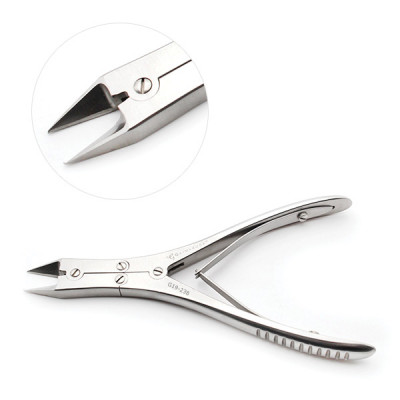
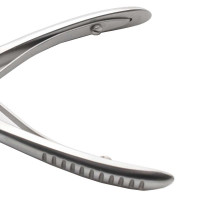
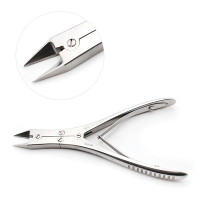
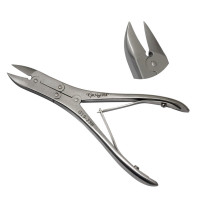
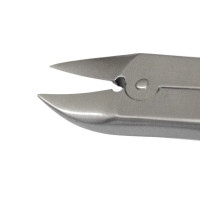
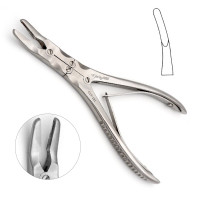
Ruskin (Kleinkert Kutz) Bone Splitting Forceps

Ruskin (Kleinkert Kutz) Bone Splitting Forcep 5 3/4" - Angled

Ruskin (Kleinkert Kutz) Bone Splitting Forcep 5 3/4" - Straight

SKU: RKKBSF
Availability: In Stock

During multiple surgical procedures, the Ruskin (Kleinert Kutz) bone splitting forceps are used to grasp, split, and extract bony structures.

SKU: G19-239
Availability: In Stock

The Ruskin (Kleinkert Kutz) Bone Splitting Forceps are widely used for bone handling and manipulation.

SKU: G19-238
Availability: In Stock

The Ruskin (Kleinkert Kutz) Bone Splitting Forceps are widely used for bone handling and manipulation.

Please select the size you want to order


$376.91
$301.53
$362.41
$289.93

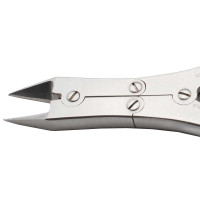
The Ruskin (Kleinkert Kutz) bone-splitting forceps come with two types of head orientation. The straight tip forceps are ideal for smaller and narrow bones, whereas the angled tip Ruskin forceps are good for deeper bones manipulation. In addition, the ergonomically designed comes with anti-slippage technology ensuring that the instrument does not slip or drop during a procedure.
Features:
●    Angled Jaws
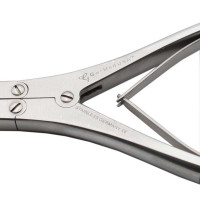
●    Ergonomic details offer precise cutting
●    Anti-slip handles

Overall instrument length is 5 3/4" and features a Angled pattern. These variations make this instrument well-suited for a wide range of medical approaches. 

Additional Information

Material:Stainless Steel

Overall instrument length is 5 3/4" and features a straight pattern. These variations make this instrument well-suited for a wide range of medical approaches. 

Additional Information

Material:Stainless Steel

Ruskin bone splitting forceps work by applying controlled, concentrated pressure through their sharp, angled jaws to split or cut through bone tissue precisely. The surgeon positions the jaws around the targeted bone area and squeezes the handles to deliver a clean, splitting force. This design gives the surgeon excellent control, reducing the risk of fracturing surrounding healthy tissue during the procedure.

Kleinkert Kutz forceps feature a refined jaw geometry and sharper cutting edges that allow more precise bone splitting compared to traditional bone cutters, which are typically built for bulk removal. Their ergonomic handle design also provides better grip and reduced hand fatigue during detailed surgical work. This combination of precision engineering and comfort makes them a preferred choice in procedures requiring accuracy over raw cutting force.

Yes, Ruskin Kleinkert Kutz forceps are widely used in orthopedic surgery for tasks like bone reshaping, debridement, and splitting small to medium bone structures. They perform especially well in procedures involving joints, spinal areas, and extremities where precision matters most. Many orthopedic surgeons rely on them because they deliver clean cuts without excessive trauma to surrounding soft tissue.

After each use, thoroughly clean the forceps with an enzymatic solution to remove bone debris and biological material from the jaw hinges and cutting edges. Always sterilize them using an autoclave following the manufacturer's recommended cycle to preserve the metal integrity. Regularly inspect the jaws for dullness, misalignment, or wear, and have them professionally sharpened or replaced when performance drops.

Yes, their slim, precisely engineered jaws make them well-suited for fine, delicate bone work where minimal tissue disruption is essential. They are particularly effective in hand surgery, plastic and reconstructive procedures, and other specialties requiring careful, targeted bone manipulation. The controlled cutting action helps surgeons work confidently in tight anatomical spaces without compromising surrounding structures.