
Our instruments are for Human Surgical use only. For Veterinary Instruments, visit GerVetUSA.com. For Human Dental instruments, please visit GerDentUSA.com. (Dismiss)

Shopping Cart

Total $0

We are a team of designers and developers that create high quality HTML Template & Woocommerce, Shopify Themes.

Currency
Language
My Account
Extra
10%
OFF
You have custom surgical sets, you can add more instruments in your sets or create more custom sets, once done you can order after making the required changes, click here to see your sets.

Bone Rongeurs

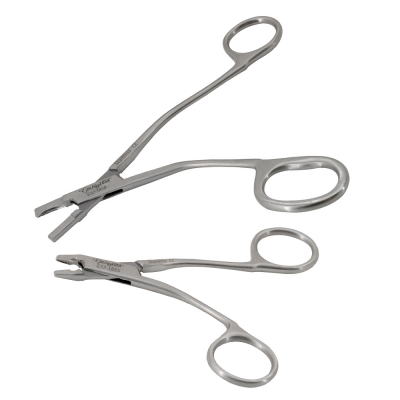
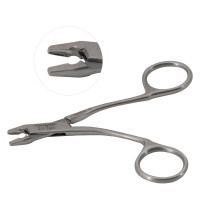
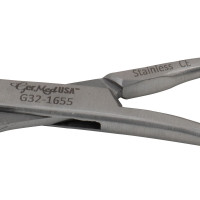
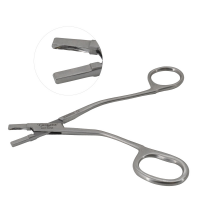
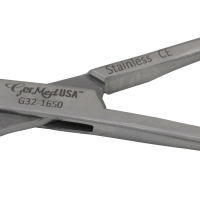
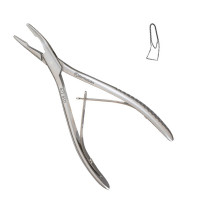
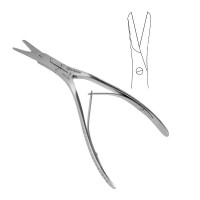
Bone Rongeur Small 4.5" Jaw Bite 11mm

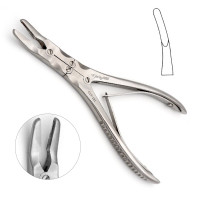
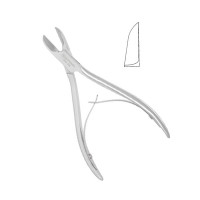
Bone Rongeur Large 7.12" Jaw Bite 20mm

SKU: Bone Rongeurs
Availability: In Stock

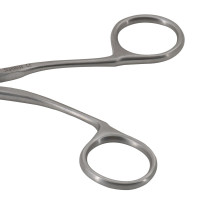
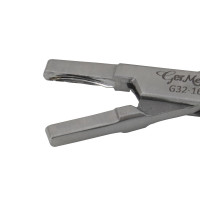
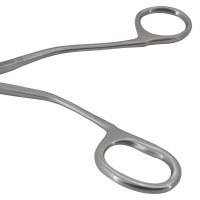
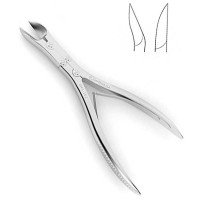
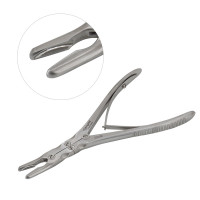
The Bone Rongeur is a surgeon’s hand extension for manipulating bones in orthopaedic procedures. It features robustly structured jaws to cut or gnaw the bones effectively. The plier design handle of the instrument ensures improved control and makes it easier for the surgeons to apply controlled force.

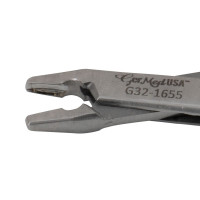
SKU: G32-1655
Availability: In Stock

Bone Rongeur Small 4.5" is a surgeon’s hand extension for manipulating bones in orthopaedic procedures.

SKU: G32-1650
Availability: In Stock

Bone Rongeur Large 7.12" is a surgeon’s hand extension for manipulating bones in orthopaedic procedures.

Please select the size you want to order


$291.93
$312.93
Categories: Bone Rongeurs

To assist orthopaedics, we offer our e Bone Rongeur in two variations, each made of German stainless steel for improved durability. Moreover, the instrument is:
    High-tensile
    Reusable
    Sharp
    Easily operable

Important To Note:  The website images often represent the family product and do not imitate the accurate specifications/ features of the item chosen. The ultimate features will match the specific product’s description that is selected. Therefore, please review the specifications of each product from their description to ensure you order the right product.

Important To Note:  The website images often represent the family product and do not imitate the accurate specifications/ features of the item chosen. The ultimate features will match the specific product’s description that is selected. Therefore, please review the specifications of each product from their description to ensure you order the right product.

Bone rongeurs are widely used in orthopedic, spinal, and neurosurgical procedures where the surgeon needs to trim or remove small bone fragments. They are also common in joint replacement operations, and skull-based procedures. Basically, any surgery that involves reshaping or clearing bone tissue will likely call for these instruments.

A bone rongeur works by biting and nibbling away small pieces of bone bit by bit, giving the surgeon precise control over how much bone is removed. A bone cutter, on the other hand, cuts through bone in one clean motion, more like scissors cutting through tissue. So rongeurs are used for fine, detailed work while bone cutters handle larger, quicker cuts.

Surgeons often work for long hours without breaks, so a comfortable grip reduces hand fatigue and muscle strain significantly. Ergonomic handles allow better control and consistent pressure, which directly improves surgical precision. A well-designed handle also lowers the risk of slipping, making the procedure safer for both the patient and the surgical team.

Yes, bone rongeurs are actually a staple tool in spinal surgery, especially for procedures like laminectomy and discectomy where the surgeon carefully removes bone or disc material to relieve nerve pressure. Their narrow, angled tips allow surgeons to work in tight spinal spaces without disturbing surrounding tissue. Kerrison rongeurs, in particular, are specifically designed and widely trusted for spinal and neurosurgical use.

A dull or damaged rongeur loses its clean biting action, which means the surgeon has to apply more force to remove bone, increasing the risk of slipping or causing unintended tissue damage. Poor instrument condition can also lead to incomplete bone removal, which may cause complications or require additional corrective steps during surgery. Regular inspection, sharpening, and proper sterilization keep these tools performing safely and reliably every time.