
Our instruments are for Human Surgical use only. For Veterinary Instruments, visit GerVetUSA.com. For Human Dental instruments, please visit GerDentUSA.com. (Dismiss)

Shopping Cart

Total $0

We are a team of designers and developers that create high quality HTML Template & Woocommerce, Shopify Themes.

Currency
Language
My Account
Extra
10%
OFF
You have custom surgical sets, you can add more instruments in your sets or create more custom sets, once done you can order after making the required changes, click here to see your sets.

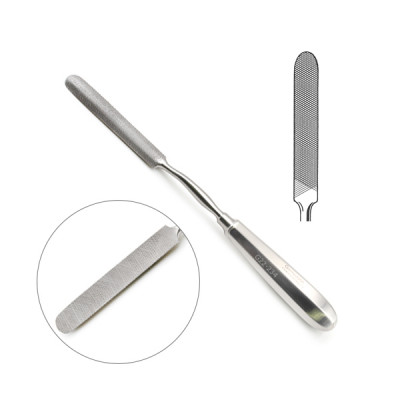
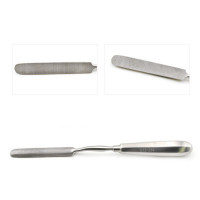
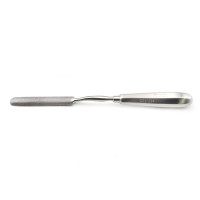
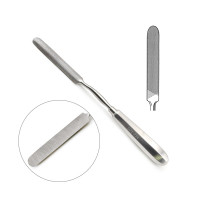
Bone File 9 3/4" Half-round Blade 3 1/2" X 1/2" With Bayonet Handle

SKU: G22-234
Availability: In Stock

The Bone File 9 3/4" assists in multiple orthopedic and restorative surgeries. The ergonomic design of the instrument eliminates bone friction and causes lesser damage to the organ structure.

$148.01
$118.41
Categories: Bone Files

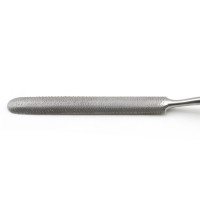
The half-round blade of Bone File 9 3/4" performs contoured cutting on delicate bones. In addition, the Bone file contains a serrated blade that properly smoothes out the bones.  
Features
●    Bayonet handles offer maximum grip
●    Ergonomic design offers minimal bone friction
●    Lightweight
●    Medical grade finish

Additional Information

Material:Stainless Steel

A half-round blade has one flat side and one curved side, which lets it work smoothly on both flat and contoured bone surfaces. A flat blade, on the other hand, only works well on even, straight surfaces and can struggle in curved or concave areas. This dual-surface design makes the half-round version far more versatile during oral or orthopedic procedures.

The bayonet handle has an angled, offset design that positions your hand away from the working area, giving you a clear line of sight during the procedure. It provides a firm, non-slip grip that reduces hand fatigue even during long surgical sessions. This ergonomic shape is specifically built for deep or hard-to-reach areas where a straight handle simply won't give you the access you need.

Orthopedic surgeons rely on this tool most often, especially during joint reconstruction, fracture repair, and bone reshaping procedures. Trauma specialists and spine surgeons also use it when working in deep or restricted surgical sites. It's a staple in operating rooms where precise bone smoothing in tight anatomical spaces is required.

The angled offset of the bayonet design keeps your fingers out of the surgical field, so you can see exactly what the blade is doing at all times. It transfers hand pressure more efficiently to the blade tip, which means better tactile feedback and more precise strokes. This level of control is especially important when working near nerves, vessels, or delicate tissue structures.

After each use, rinse the instrument under running water immediately to remove bone debris and tissue before it dries and hardens in the serrations. Use a soft brush with an enzymatic cleaning solution to scrub the blade thoroughly, paying close attention to the file's teeth where material tends to collect. Then sterilize it through an autoclave cycle following standard infection control protocols, and inspect the blade regularly for dullness or damage to ensure it performs safely every time.