
Our instruments are for Human Surgical use only. For Veterinary Instruments, visit GerVetUSA.com. For Human Dental instruments, please visit GerDentUSA.com. (Dismiss)

Shopping Cart

Total $0

We are a team of designers and developers that create high quality HTML Template & Woocommerce, Shopify Themes.

Currency
Language
My Account
Extra
10%
OFF
You have custom surgical sets, you can add more instruments in your sets or create more custom sets, once done you can order after making the required changes, click here to see your sets.

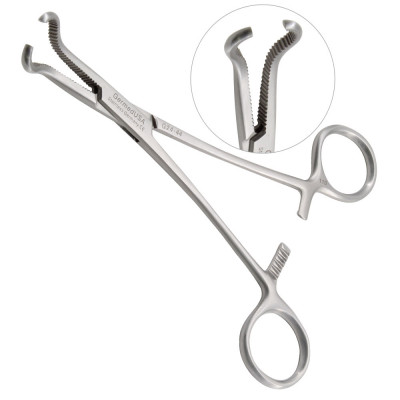
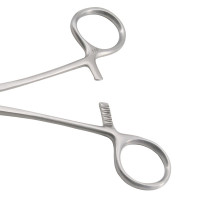
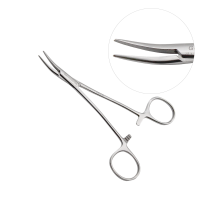
X-Small Serrated Bone Holding Forceps

SKU: G24-44
Availability: In Stock

X-Small Serrated bone holding forceps are used for grasping small delicate bones during the orthopedic surgical procedure. The instrument comes with a speed lock mechanism that keeps the bones at a place so that the surgeon can keep their focus on the surgery.

$73.00
$65.70

X-Small serrated bone holding forceps allow easy bone carrying with crushing. High-quality surgical steel is used in the making of this instrument.
Features:
●    Minimally invasive
●    Curved tips
●    Lightweight

Additional Information

Material:Stainless Steel

X-Small Serrated Bone Holding Forceps are commonly used in hand surgery, pediatric orthopedics, and craniofacial procedures where precision matters most. Surgeons also rely on them during small bone fracture repairs, reconstructive surgeries, and delicate spinal work. Their compact size makes them ideal for any procedure that involves tight anatomical spaces or small bone fragments.

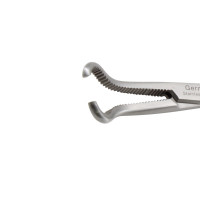
The serrated jaws create a textured contact surface that locks onto bone without requiring excessive squeezing force, giving the surgeon better tactile feedback. This design reduces the chance of the instrument shifting mid-procedure, which is critical when handling small or irregular bone fragments. The result is greater precision, less tissue trauma, and more confident handling throughout the surgery.

Serrated jaw forceps have small ridged teeth along the gripping surface, while smooth jaw versions rely entirely on clamping pressure to hold tissue or bone. The serrations dramatically improve holding stability, especially on slippery or wet bone surfaces during live surgery. Smooth jaws are better suited for soft, delicate tissues where surface marks must be avoided.

Their reduced profile allows surgeons to access confined anatomical areas like the hand, wrist, and pediatric bones that standard-sized instruments simply cannot reach without causing collateral damage. The smaller jaw span provides far more control and visibility around the surgical site in tight spaces. They also minimize pressure on surrounding structures, lowering the risk of unintended injury during intricate small bone work.

Proper jaw alignment before clamping is the first step, misaligned jaws reduce the effectiveness of the serrations and increase slip risk. Keeping the instrument tips clean and free of blood or bone debris during the procedure also maintains consistent grip throughout. Using forceps that are correctly sized for the bone fragment being held further eliminates unnecessary movement and improves overall surgical control.